Farmer education
Learn about improved Kienyeji chickens
Understand what makes improved Kienyeji breeds a smarter choice, and get to know each breed we raise and sell.
Why improved Kienyeji
Improved Kienyeji benefits
Fast maturity
High production of quality eggs
Easy to rear
Suitable for meat
Disease resistant
Breed guide
Improved Kienyeji breeds we sell
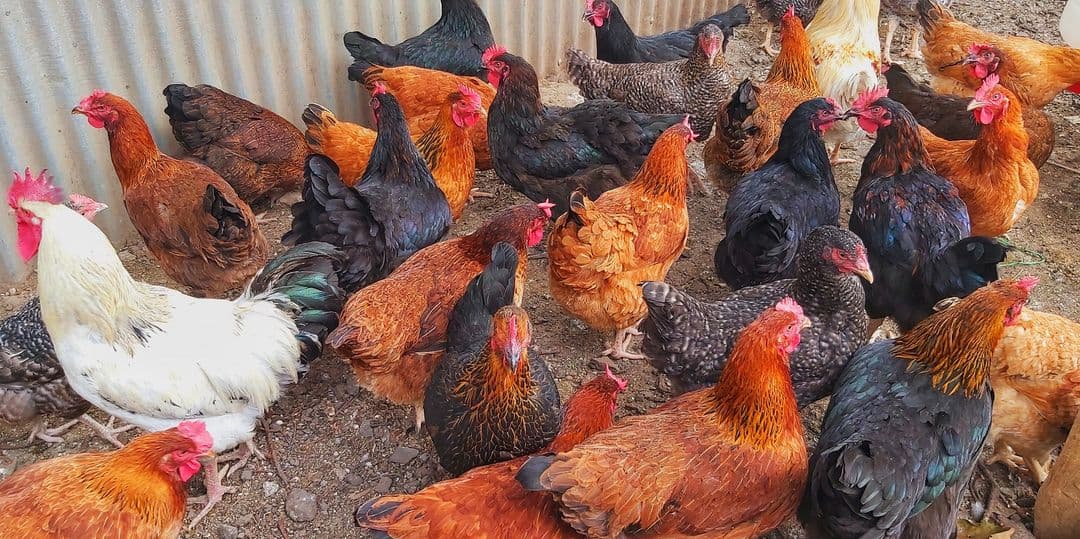
Kuroilers
Kuroilers, a dual-purpose breed producing meat and eggs, can live on a diet of kitchen and agricultural waste, and produce around 150 eggs per year whereas native Kenyan hens lay only 40 per year. The meat yield per bird of Kuroilers is also greater; males weigh approximately 3.5 kg and females about 2.5 kg, whereas the native male bird weighs 2.5 kg and females 1.2 kg. Due to its unique genetic features, the Kuroiler is resistant to diseases and is a potential bio-converter of no-cost agricultural, household and natural waste into human protein and substantial incomes for rural households.
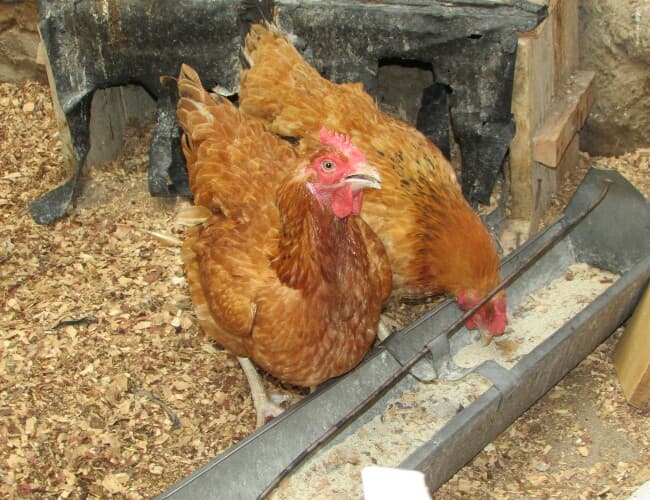
Kenbro
- Brown, unique color — multicoloured Kenbros are slowly being introduced.
- Suitable for both eggs and meat, a true dual-purpose breed.
- Adapted for free range and scavenging.
- Moderate disease resistance.
- Fast maturity — males 3.5–4 kg, females 2.5–3 kg.
- High egg production: 20–25 eggs per month.
- Economical laying period of 1.5 years.
- Heavy feeder; does not sit on eggs (not broody).
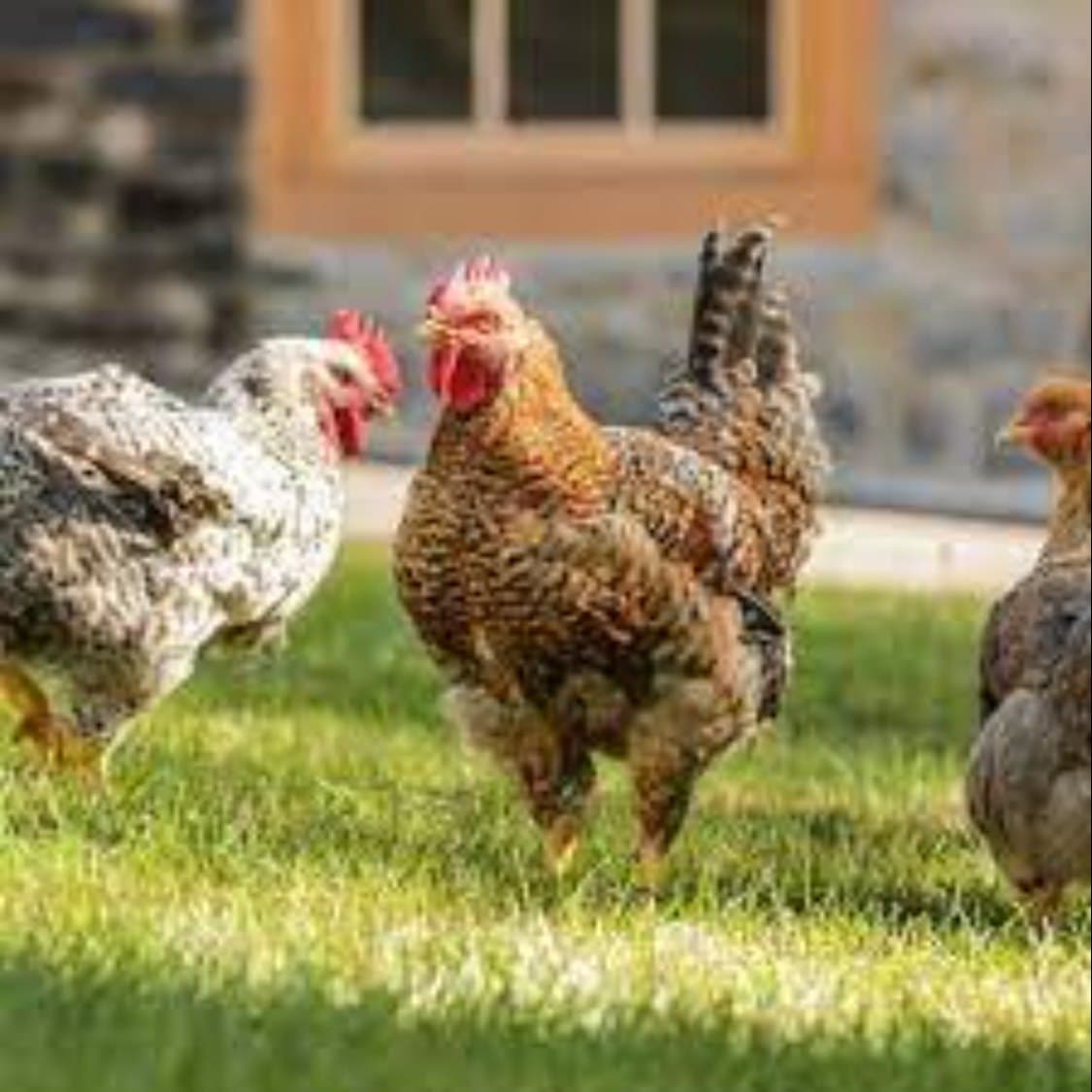
Sasso
- Developed in France, popular across Tanzania and Kenya.
- Live weight of 2200–2400g in 84 days.
- Adapted for free range and scavenging, moderate disease resistance.
- Cross-bred from a Sasso rooster and recessive Sasso hen, delivering top quality meat while respecting animal welfare.
- Reaches market weight after about 84 days of breeding.
- Grows faster than native chickens, with delicious, tender meat.
- Good layers from six months, producing brown, nutritious eggs.
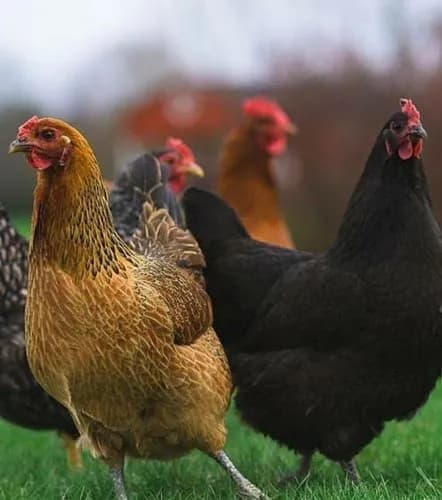
Rainbow Rooster
- Multicoloured, dual-purpose — suitable for both eggs and meat.
- Adapted for free range with high disease resistance.
- Fast maturity — males 3.5–4 kg, females 2.5–3 kg.
- Egg production of 20–25 eggs per month.
- Economical laying period of 1.5 years.
- Heavy feeder; does not sit on eggs (not broody).
Still have questions?
Reach out and our team will walk you through choosing the right breed for your farm.